The opportunity
The project started with a simple problem we had ourselves: setting up surround and reference monitoring meant constantly running back and forth between speakers, interfaces, and software just to tweak levels, delays, and routing.
Why wasn’t this easier?
On its own, that use-case was too niche to justify a product. But it pointed at something more interesting.
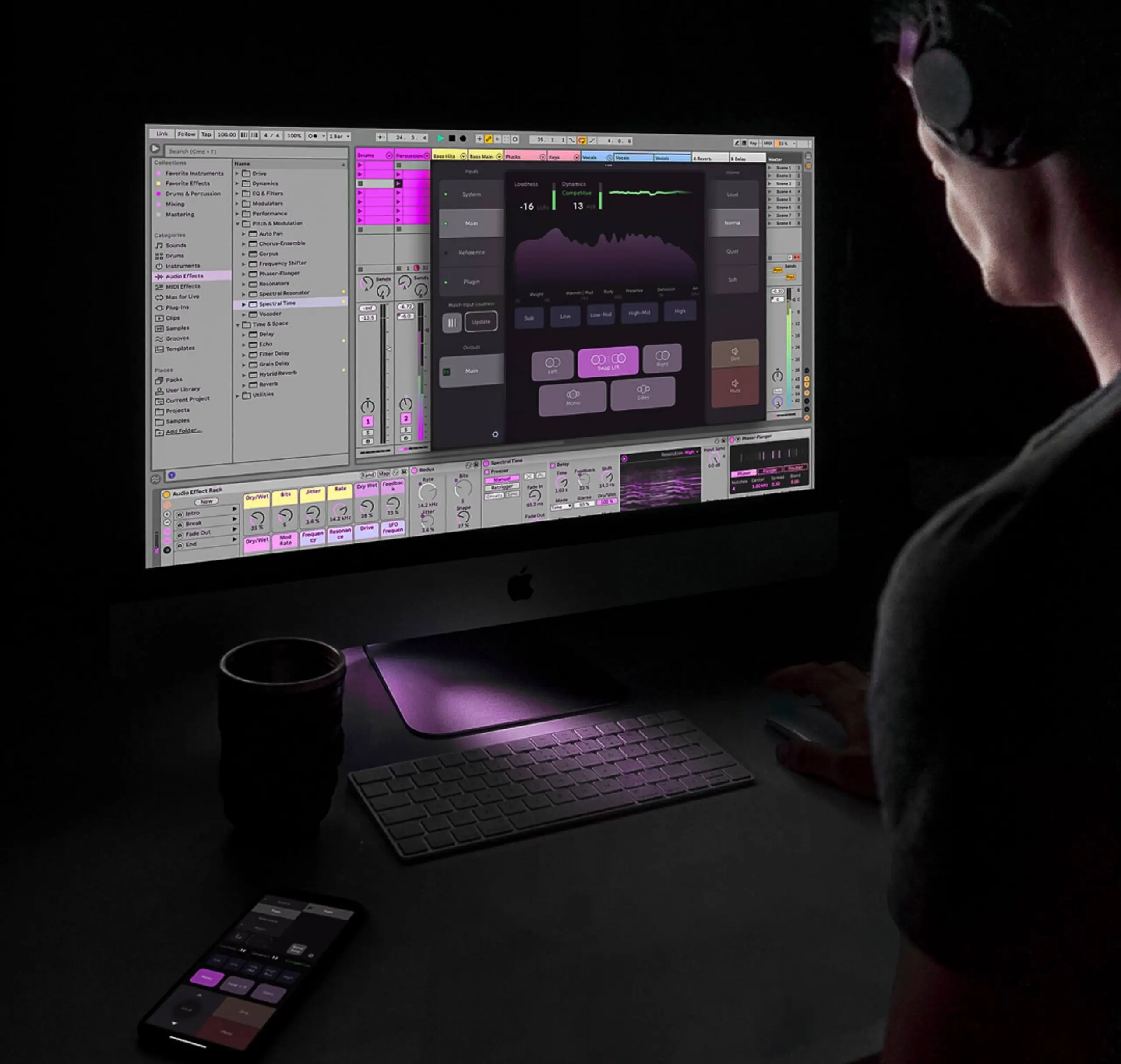
Creative people “nest”. The best studios have faders, meters, buttons everywhere, all within reach. The physical layout makes experimentation quick and keeps important feedback visible in the periphery.
We saw an opportunity to bring some of that peripheral, at-a-glance control back into modern software-based studios, starting with studio reference monitor control (in music studio lingo monitors are audio speakers).
The bet
We hypothesised that a remote-controlled, system-wide monitor controller would help:
- home studios
- mobile producers
- smaller professional rooms
maintain the listening habits that underpin consistent decisions:
- working at known loudness levels
- switching perspective to hear with fresh ears
- comparing against reference tracks at equal loudness
Validating the idea
To avoid building something nobody wanted, I ran a screener survey across our user base to find people who:
- already had this problem
- were actively trying to solve it
- and were dissatisfied with their current setup
From those responses I selected a group of “superfans” and conducted detailed interviews, focusing on real and recent experiences rather than future speculation.
We then sent those users a rough prototype and asked them to use it in their studios, capturing diary notes and talking through their experience between iterations.
Letting real use change the roadmap
ListenHub was built around a system-wide audio device with multiple outputs. That opened an unexpected opportunity.
Many testers were using a different systemwide audio device to apply calibrated room acoustics control, and constantly needing to switch between headphones and speakers calibration profiles. We knew we could solve this by allowing that calibration product to be hosted inside our systemwide device.
We had planned to do this in a later release, but their detailed workaround stories and excitement made it obvious that this needed to ship first.
So we reprioritised, allowing users to host different plugin chains on each output and switch between them in a single tap.
Designing for glanceability
One of my core principles on the project was: Be always within reach, but stay out of the way.
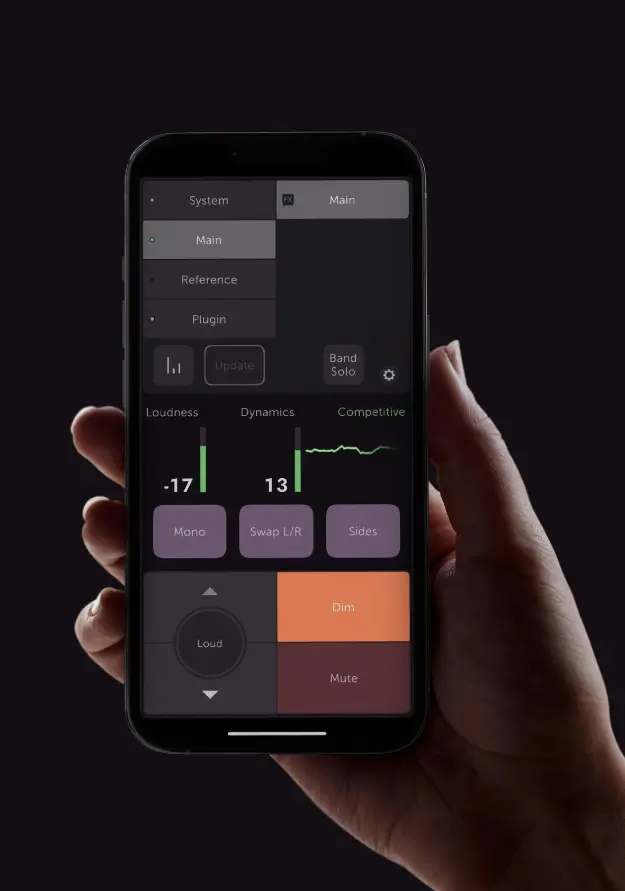
ListenHub can mute, dim, solo bands, and solo channels across the entire system. This means it can also get you into trouble if you forget something is active.
To prevent that, we designed the UI so its state is legible even when you’re not looking directly at it:
- key states are visible in the macOS menu bar
- inactive controls are dark and neutral
- active states are bright and colour-grouped
- the control most likely to be needed in a panic, Mute, is the largest and most visually dominant
The result is a tool that stays visually quiet when everything is normal, but instantly readable when it needs to be.
Impact
ListenHub marked a move from isolated processing tools towards workflow-aware systems, helping to reposition the brand as more forward-thinking and more closely aligned with modern studio setups.
 Tim Lloyd